
Joy in the Midst of Dispair
3/4/2026
By: Simon Howling
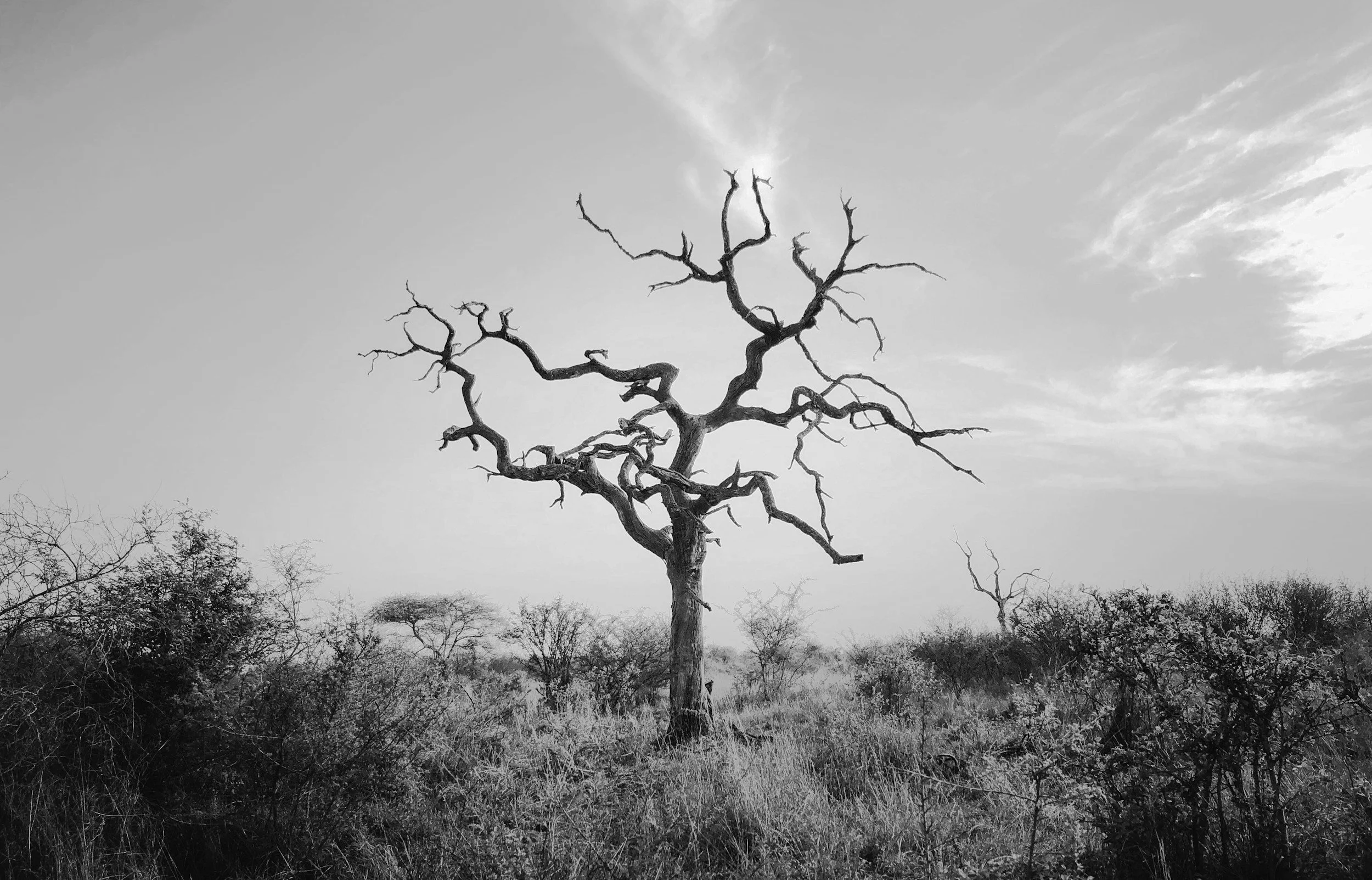
Growing up and probably still to this day, although I’m much more aware of it now, I was very competitive. Whether I was the one playing, taking part, or just watching a team I supported, I really didn’t enjoy losing. Anything other than a win was enough to ruin my day. I struggled to find much joy in anything less than winning. If the result wasn’t going our way, it was hard for me to simply enjoy the moment.
I remember one day, as a young teenager, watching a football match at home. My team, which was pushing for the championship, conceded a late goal. With only a few minutes to play, they were drawing against a team at the bottom of the table. The frustration of what was happening was getting to me. This was a game we should have been winning, how could we be in this position? I could feel the anger stirring inside me, and I clearly wasn’t hiding it, because my mum came in and turned off the TV, saying, “Let’s go for a drive.”
For the next twenty minutes, I explained to her in great detail all the reasons why my team should have been ahead. Slowly, the drive helped me calm down. By the time we got back home, I had accepted that the game had ended in a draw. I walked back into the house, turned the TV on, and discovered that my team had scored a last-minute winner just seconds after I had walked out.
That day was only about football. It wasn’t life or death. But it revealed something in me. When things weren’t going the way I thought they should, my instinct was to focus on what was going wrong. I allowed the situation and disappointment of the moment to consume me. And in doing so, I missed the joy that was unfolding.
Of course, in real life, the stakes are much higher than a football match. Sometimes the disappointment isn’t small. Sometimes it’s heavy. Prayers feel unanswered. Plans fall apart. Finances tighten. Health struggles linger. Hit after hit, blow after blow.
The prophet Habakkuk faced a situation that must have felt impossible, (Habakkuk 3:17)
“Though the fig tree does not bud
and there are no grapes on the vines,
though the olive crop fails
and the fields produce no food,
though there are no sheep in the pen
and no cattle in the stalls
Habakkuk isn’t describing a bad day, he's describing a bleak future. “Though the fig tree does not bud…” That means no fruit. “There are no grapes on the vines…” No wine means no produce. “The olive crop fails…” No oil, which was essential for cooking, for light, trade, and daily life. “The fields produce no food…” No harvest. “There are no sheep in the pen, no cattle in the stalls…” No meat. No milk. No income. No future breeding stock.
This is a picture of total collapse. In a society that depends on agriculture, this wasn't an inconvenience, it was devastation. No crops meant no food supply. No livestock meant no financial security. Livelihoods would vanish. Families would struggle. Communities would feel the strain. Society itself would be on the edge. And yet before anything changes, before the fields recover, before the stalls are filled again, before the cattle return to graze, Habbakuk makes a choice.
Habakkuk 3:18 “Yet I will rejoice in the Lord, I will be joyful in God my Saviour.”
That “yet” is powerful. It tells us that joy, in this context, is not a reaction to good circumstances. It is a decision made in the midst of despair. Joy in the midst of despair doesn’t deny reality. Habakkuk clearly sees the empty fields, he names the loss, and he acknowledges the situation. He knows he has to deal with the consequences. But he refuses to let despair shake his joy in the Lord.
There is a distinct decision on where to place his focus. To rejoice in the Lord is not to celebrate loss. It is not to pretend that hardship doesn’t hurt. It is not forced positivity or spiritual denial, or fake it till we make it. Habakkuk is very honest about what is happening around him. Choosing joy in the Lord means anchoring your confidence in who God is, not on the situation.
Circumstances change. Harvests fail. Plans collapse. Results don’t go our way. But God’s character does not change. He is still good. He is still faithful. He is still at work even when we cannot see it. Our joy depends on who God is, what He has done, and what He has promised.
Habakkuk rejoices not because the barns are full, or because the situation changes. He rejoices not because he understands the plan, but because he trusts the Planner. He is able to say, in effect: “I don’t see the harvest. I don’t know how this resolves. But I know who my God is.”
Choosing joy, then, is an act of trust. It is a quiet but firm declaration: God is at work, even when the picture seems bleak. God is at work in our lives, in our households, in our churches, in our communities, in our nations. And because He is good, and because He is faithful, we still have Joy, even in the midst of despair.